
Digital mortgages have become increasingly popular in recent years, allowing borrowers to complete the mortgage process entirely online, from application to closing.
While digital mortgages offer convenience, there are important considerations that you must keep in mind. In this article, we will explore the different types of digital mortgages available, discuss their safety, and highlight the differences between digital mortgages and traditional mortgages.
What is a digital mortgage?
A digital mortgage is a type of mortgage that is processed entirely online. With a digital mortgage, you can complete the entire mortgage process from application to closing without ever leaving your home. The process typically begins by filling out an online application form that asks for personal information such as income, employment, and credit score. The lender then reviews the application and provides a decision on whether you are approved for the loan. Once approved, you can sign the necessary documents electronically, and the funds are disbursed to your account.
How is a digital mortgage different from a traditional mortgage?
A digital mortgage is different from a traditional mortgage in several ways:
Convenience
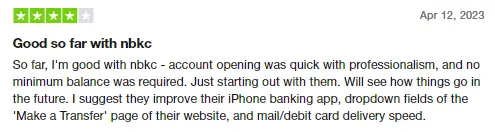
With a digital mortgage, you can complete the entire process online, from application to closing, without ever leaving your home. Just like neobanks allow you to do your banking without visiting a brick-and-mortar branch, many digital mortgage lenders let you do everything online or via an app (and some neobanks like SoFi also offer mortgages).
If convenience is a priority, you might find this option could save you time and effort compared to a traditional mortgage, where you might need to visit the lender in person to complete the process.
Speed
Digital mortgages are typically faster than traditional mortgages because the process is entirely online. Borrowers can receive a decision on their application within minutes or hours, whereas traditional mortgages can take days or weeks. Other features digital mortgage lenders might offer include instant notifications when there is an update in the process and a real-time progress bar for you to keep track of progress.
Documentation
Digital mortgages require electronic signatures, which means that borrowers can sign the necessary documents without having to print or mail anything. Traditional mortgages may require physical signatures, which can be time-consuming and require more paperwork.
Personal interaction
Digital mortgages may be entirely online, which means that borrowers may not have as much personal interaction with the lender as they would with a traditional mortgage. This can be a disadvantage for borrowers who prefer face-to-face interactions or need more assistance with the mortgage process. However, many digital mortgage companies offer application support via chat or phone call.
Are digital mortgages safe?
One of the most important questions borrowers ask is whether digital mortgages are safe. The answer is yes, digital mortgages are generally safe. However, as with any financial transaction, there are risks to consider.
When applying for a digital mortgage, always do your homework to ensure that the lender is legitimate and reputable. It's important to research the lender and make sure that the website is secure and that their personal information is protected given the amount of sensitive information required when applying for a mortgage. Scammers may use fake websites or emails to try to get borrowers to provide personal information. To avoid this, borrowers should be vigilant and only provide personal information to lenders who have secure websites and have a good Trustscore on Trustpilot.
Ready to apply for a digital mortgage?
Digital mortgages offer convenience and speed. With the rise of digital mortgages, as well as traditional mortgage options, there's a wealth of options out there to consider. If you would prefer to have support to find a mortgage lender it might be worth considering working with a mortgage broker. Once you've check reviews on Trustpilot to get valuable insight into a lender's reputation and the experience of other borrowers, you’re ready to begin the application process. And when you're ready to take the next step check out our guide to applying for a mortgage.
Trustpilot is a review platform that is open to all. The companies and profile pages referenced in this article are provided for informational purposes only and are not recommended, endorsed by, or representative of the views of Trustpilot. The Trustpilot companies linked in this post are expected to abide by Trustpilot’s Guidelines, but have not been reviewed for compliance.