
A slew of financial technology companies (fintechs) are trying to change the way you bank.
Neobanks offer digital-only banking services and are for customers who see the appeal of moving their money dealings away from brick-and-mortar locations (the teller lines!) and embrace banking on their phone or computer.
But are neobanks everything they’re cracked up to be? And are they safe? Read on to understand what to look for when considering trusting your money to a neobank.
What is a neobank?
Neobanks — also known as “challenger banks” — are fintech firms that provide mobile and online banking. The first neobanks launched in the UK, in the wake of the 2007–2009 financial crisis. Europe is farther ahead than the US with neobanks, but the US is making up ground. You may have heard of Chime, the leader in the US at the moment. But European neobanks Revolut and Monzo are bringing their expertise from Europe. A recent study estimates that 14% of the US population will have a neobank account by 2025.
Neobanks specialize in providing a few basic services simply and at a lower cost than traditional banks. Typical services provided include:
Opening a checking or savings account
Transferring funds and making mobile payments
Learning ways to save and budgeting through educational resources
Lending (in some cases)
The advantages a neobank can offer include the following:
Fees: Typically, there are no monthly account, ATM or overdraft fees. Service fees for foreign exchange and crypto can be competitive.
Ease of use: You can access your accounts practically anywhere, deposit checks remotely, and see real-time transactions on your phone. And while neobanks lack branches, many offer ATM access at banks.
Features: Some neobanks can monitor spending, set monthly budgeting limits, receive competitive savings account APRs, offer you a loan or buy crypto.
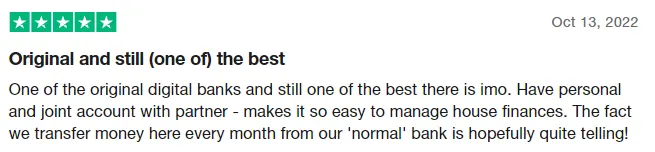
Be sure to read reviews and check their website to verify if a neobank offers what you're looking for.
Neobanks vs. banks
Neobanks
Neobanks have no physical branches and generate revenues mainly from merchant fees. They generally offer fewer products than traditional banks but try to do so nimbly and well. Be sure to look at reviews to check that a neobank is living up to this promise. Additionally, there are neobank fintechs that have other arms to broaden their offering of services. For example, LendingClub also has a robo-advisor called LendingRobot, offering clients the ability to invest in loans.
Banks
Banks, on the other hand, pride themselves on offering many services and a personal touch through brick-and-mortar physical locations — though many have online arms referred to as digital banks. Their business model focuses on earning interest through loans, plus a variety of banking, lending and investing fees.
Neobanks also partner with other banks to gain access to ATMs and depositor insurance, since neobanks generally do not have a bank charter. More on that in the next section.
Are neobanks safe?
You don’t want to entrust your money with a neobank unless you know it is safe. Here are three areas you’ll want to review with a prospective neobank.
Customer service
Is customer service readily available to address any issues that may arise with your money? It’s vital that a neobank has 24/7 live support via phone or chat.
Look for highly rated neobanks and check out how other customers had their issues resolved to find the best option for you.
The firm needs to be able to resolve issues quickly to keep your money safe.
Deposit insurance
In the United States, traditional banks provide customers up to $250,000 of deposit insurance from the Federal Deposit Insurance Corporation. Credit unions likewise obtain this insurance from the National Credit Union Share Insurance Fund. This insurance reimburses customers against lost deposits if a bank fails.
Since neobanks do not have a bank charter, they do not have access to this insurance for their customers. Plus, with the newness of the neobank industry, there is no history to show how customer deposits would be handled if it were to fail or close.
Knowing that your deposits are insured and available to you is key. To give peace of mind to customers, neobanks will often partner with banks. When shopping for a neobank, look for a bank partnership and/or that they have found some way to provide insurance on your deposits. Better safe than sorry!
Account access
Are you willing to download another app and give it access to your financial data? It’s worth noting that even with brick-and-mortar banks, credit card companies and the IRS, you have undoubtedly run into data breaches when your information was shared. When shopping for a neobank, seeing features like security tests and two-factor and fingerprint authentication is a plus.
On the other hand, neobanks can offer advantages to discovering account breaches quickly. For example, you could have instant access and alerts to every transaction made within your account. For brick-and-mortar banks, you sometimes have to wait for a statement in the mail, unless you go online.
You will have to gauge your own comfort with your data sharing and access to determine if a neobank is right for you.
Bottom line
You now have some key points to consider when researching a potential neobank. The next step is choosing from the long list of neobanks out there and finding out what it’s like to be a customer. And checking reviews can provide valuable insights from a customer’s perspective. When choosing a service to manage your money, more information is better.
Trustpilot is a review platform that is open to all. The companies and profile pages referenced in this article are provided for informational purposes only and are not recommended, endorsed by, or representative of the views of Trustpilot. The Trustpilot companies linked in this post are expected to abide by Trustpilot’s Guidelines, but have not been reviewed for compliance.